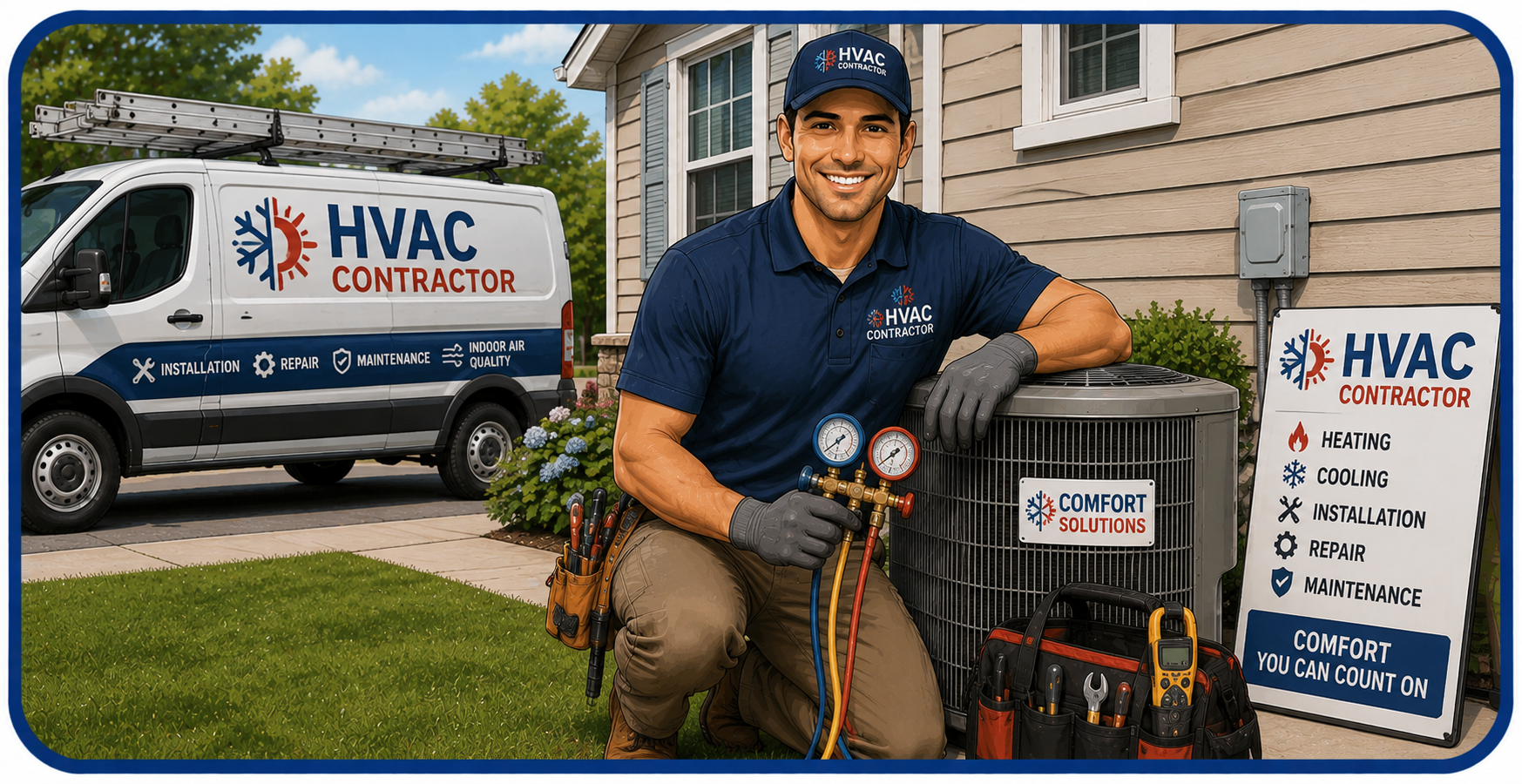
Our Washington-based crews carry the parts and the know-how to get your air moving again today. Emergency dispatch available across Washington and the surrounding zip codes.
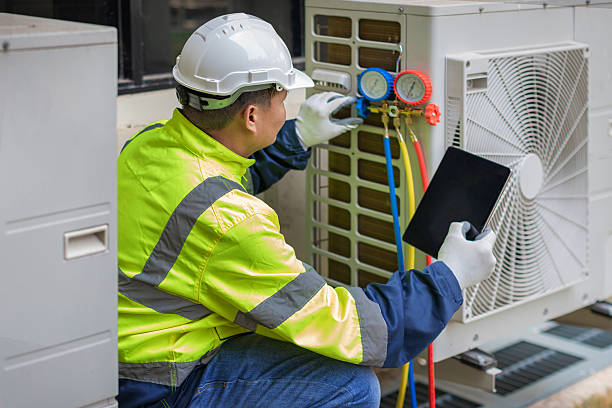
No automated menus for emergencies — a real person handles the call.
You'll get a flat-rate quote before any repair work begins — no guessing what the final bill will look like.
Warranty details are explained clearly so you know exactly what's covered going forward.
Leonard HVAC grew one honest service call at a time in communities like Washington. Every technician we send to your door is background-checked, factory-trained, and licensed to work on the systems installed throughout Washington, DC.
We're not the biggest name in Washington — we're the team that shows up in the truck, not a subcontractor we've never met. Every job we run is backed by full liability coverage and current state licensing, and we keep that documentation available on request for every job, routine or emergency.
Washington's climate swings hard, and generic national playbooks don't always fit. That local knowledge shapes the parts we stock on the truck — it's the difference between a tech who's guessing and a tech who's seen your exact situation a hundred times before.
Trust in this industry gets eroded fast, and it takes real consistency to earn it back. That's the gap we built Leonard HVAC to close. We track arrival windows, callback rates, and repeat-issue complaints internally so problems get caught before they become patterns, because a customer who trusts us once tends to call us again — and Washington is a small enough community that reputation travels fast.
That local context saves time on every call, because we're not starting from zero on basic questions about your neighborhood or your system. Our warranty and service history records stay attached to your address, so any future technician who visits already has the full picture.
Every service below is backed by the same licensing, warranty, and upfront pricing you get on any job we run.
Breakdowns rarely happen at a convenient time, which is exactly why our emergency line runs 24 hours a day. Our Washington dispatch team sends the closest available truck first so a technician is diagnosing your system as fast as physically possible.
We keep the truck stocked with the parts that fail most often on the equipment common to Washington homes, which is exactly why most repairs don't require a return visit.
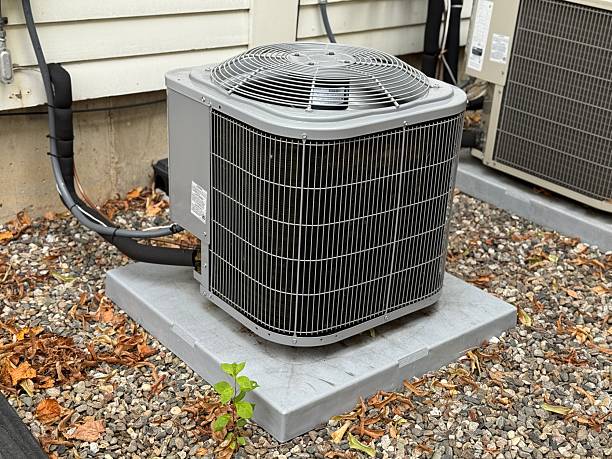
An aging system that's constantly breaking down usually costs more to keep patching than to replace. We walk Washington homeowners through load calculations so the new system is sized correctly for the actual square footage before a single piece of equipment gets ordered.
We protect floors and entryways during the install and haul away the old equipment so you're not left dealing with disposal.

Downtime in a commercial space costs money every hour a system is offline. Our commercial division services rooftop units and package systems across Washington, with service agreements built around your operating hours.
Property managers working with multiple Washington locations can set up a standing account so every site gets consistent service history and pricing.
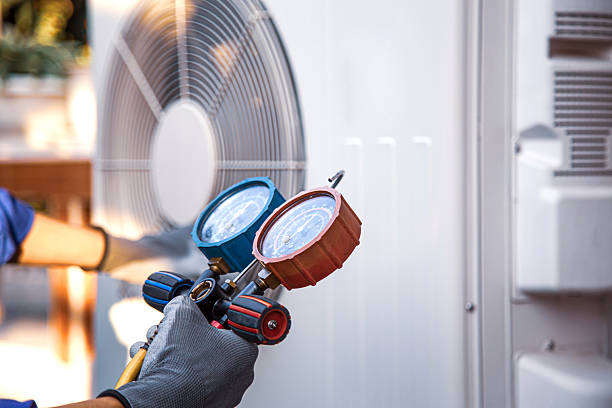
Preventive maintenance is the cheapest repair you'll ever pay for, because it's the one that prevents the bigger bill. Beyond standard tune-ups, we also handle indoor air quality upgrades for homes with allergy or asthma concerns for Washington households that want more than just temperature control.
Maintenance plan members in Washington get scheduling reminders automatically, so tune-ups don't fall through the cracks during a busy season.
We'd rather set clear expectations upfront than make vague promises we can't back up.
Details vary by job type and are always shared upfront, never buried in fine print.
If a competitor's written quote for the same scope of work is genuinely lower, ask us about it.
Our office follows up after major repairs and installs to confirm everything is holding.
Most breakdowns don't happen without warning — they announce themselves for weeks before the system actually quits.
A healthy system runs with a consistent, low hum — banging, screeching, or grinding usually points to a loose part or failing motor.
If some rooms stay hot or cold no matter what the thermostat says, the system may be struggling to distribute air evenly.
A tune-up often identifies exactly what's driving the extra energy use.
This is one of the warning signs we recommend not waiting on.
A burning smell should never be ignored — it can indicate an electrical issue that needs immediate attention.
If you're calling about the same problem every few months, the underlying cause likely hasn't been fully addressed.
No inflated "emergency surcharge" games — the number we quote is the number you pay.
Because our trucks are stationed near Washington, we're rarely far from your address.
We don't consider a job finished until the system is actually performing correctly.
Every technician carries current state licensing and manufacturer training.
Photos and plain-language notes accompany every diagnostic.
We'll walk you through what's actually available before you decide.
Every review below reflects an actual service call in the Washington area.
"Our AC quit on the hottest weekend of the year and they had a tech out within a couple of hours. Fixed on the first visit and explained everything in terms I could actually understand."
"We've used them for our maintenance plan for two years now and never had a surprise breakdown. Techs are always polite, always on time, and clean up after themselves."
"They handled the whole install in a single day, exactly like they said they would. New system is noticeably quieter and our energy bill actually dropped."
"Commercial dispatch was quick and the tech understood our system without needing to be walked through it. Kept our kitchen running through the weekend rush."
"The estimate matched the final invoice exactly, down to the dollar. Would use them again without hesitation."
"Diagnosed a failed capacitor and had it swapped within the hour. This is the company I'm saving in my phone now."
Understanding what typically fails helps homeowners know what to watch for and when a repair call is worth making before things get worse.
Washington's seasonal swings put real stress on a system that isn't maintained regularly. Before the heaviest cooling months hit, it's worth having the refrigerant charge checked, the condenser coils cleaned, and the filter replaced — all of which directly affect how hard the compressor has to work.
Setting a programmable or smart thermostat to a consistent schedule reduces the number of times the system has to work hard to catch up to a big temperature swing. None of this replaces a professional tune-up, but it does reduce the wear that leads to premature breakdowns between visits.
Whether your Washington home has a traditional split system, a ductless mini-split, a heat pump, or a hybrid dual-fuel setup, our crews are equipped to diagnose and repair it. If your system was installed by a different company entirely, that's not a problem — we service equipment regardless of who originally put it in, and we'll pull the model and serial information to confirm parts compatibility before any repair begins.
Here's a look at the kind of experience that shows up at your door.
Handles the majority of Washington installs and specializes in properly sizing equipment for older housing stock.
Keeps the emergency truck stocked based on what actually fails most often locally.
Works directly with Washington property managers to schedule around business hours.
Standard appointments are usually scheduled within 24-48 hours, while true emergencies jump the queue.
We explain the diagnostic fee upfront and provide a flat-rate repair quote once the issue is identified.
Our emergency line runs 24 hours a day, including nights, weekends, and holidays.
Yes — licensing and insurance documentation is available on request for any job, residential or commercial.
We never push a replacement when a straightforward repair will genuinely solve the problem.
Ask your technician about current plan pricing during any service call.
Our dispatch area extends throughout the greater Washington region and nearby towns within Washington, DC.
Yes, we run separate residential and commercial divisions, both fully licensed and equipped for their respective equipment.
Our technicians are trained across the major residential and commercial equipment lines, not limited to a single manufacturer.
Financing options are available for qualifying replacement installations, and our team can walk you through what's currently offered.
Most Washington homes benefit from two tune-ups a year — one before cooling season and one before heating season.
If you smell gas or burning, shut off the system at the breaker and step outside, then call us immediately.
Ask about current after-hours rates when you call +1-866-805-8548.
Straightforward fixes like a capacitor swap or a thermostat replacement are often finished in well under an hour.
For most residential visits, yes, an adult should be present to grant access and approve any quoted work.
Housing stock varies a lot across Washington — older homes often still run original ductwork that needs different care than the sealed, high-efficiency systems going into newer builds.
Larger properties get the same upfront pricing and licensed technicians as a single-family service call, just coordinated at scale.
Qualifying installations can be financed through options we'll walk you through during your in-home estimate, with terms explained clearly before you commit to anything. If a rebate or local incentive program applies to your Washington installation, our technicians will flag it during the estimate rather than leaving you to track it down after the fact.
We dispatch throughout Washington and the neighboring communities, keeping response times tight because our trucks stay close to home.
Coverage isn't limited to a single neighborhood or subdivision — our Washington dispatch zone stretches across the metro area and into the surrounding suburbs and unincorporated communities.